The Quick Read
- Challenge: Third and fourth graders at a Title I elementary school in rural Alabama had a full day of academics and few tools for handling stress and big emotions.
- Solution: 5-10 minutes of daily audio-guided mindfulness in every classroom, introduced through a local pediatrician.
- Outcome: 48% fewer office referrals in one school year, gains in math and English proficiency, more regulated students ready to learn.
Watch the story
Discover the impact on the Stephens Elementary staff and students
The Challenge: Students Had Few Tools for Big Emotions
N.H. Stephens Elementary serves about 440 third and fourth graders in Alexander City, Alabama. Like a lot of kids today, they spend their days surrounded by constant stimulation. Very little of the school day showed them what to do when it all became too much.
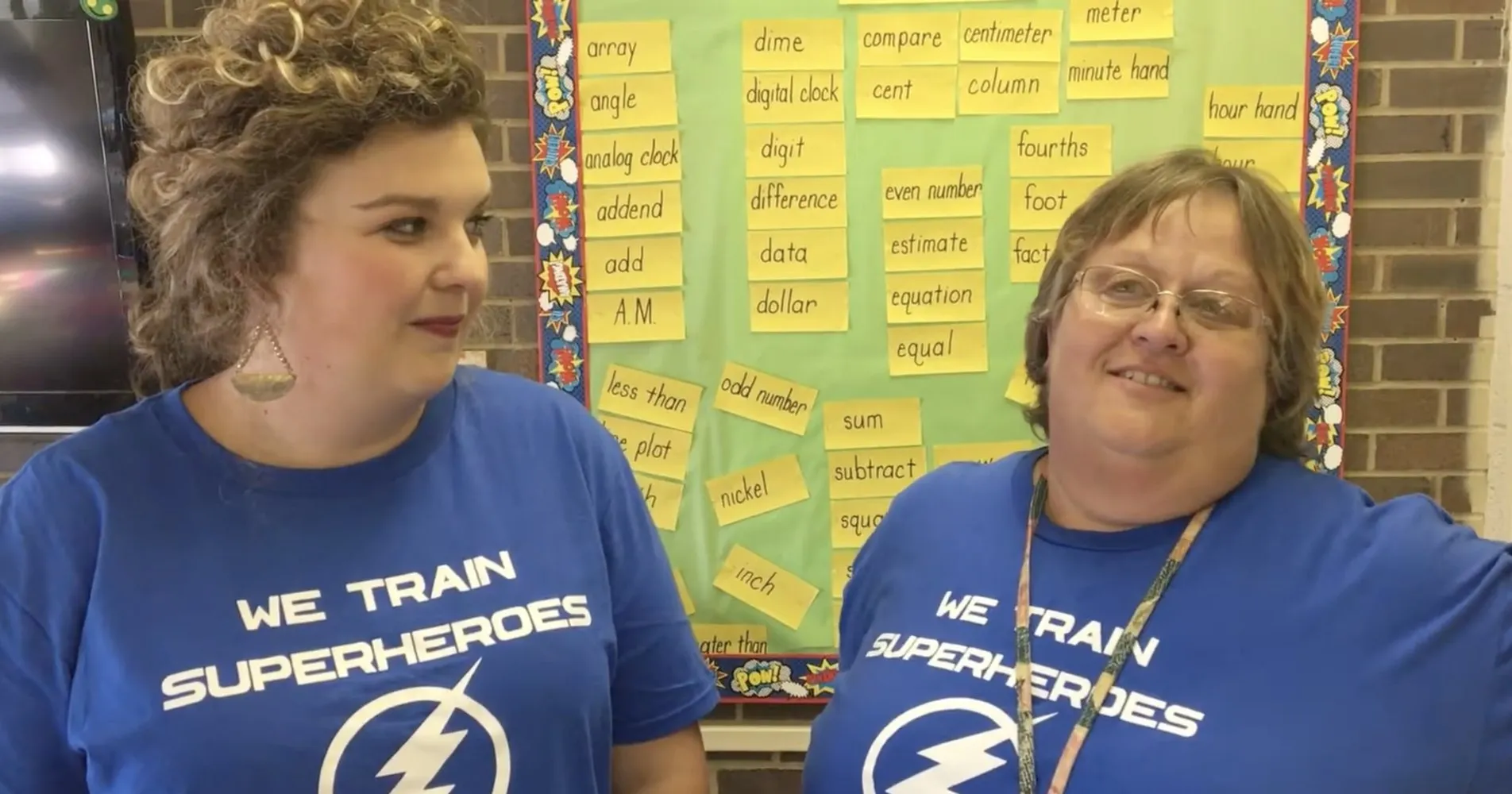
Fourth grade reading teacher Brandy George saw it early in her career.
Within my first years of teaching, I did notice a gap. I am feeding these children all of these academic things, but I'm not giving them anything that's helping them regulate emotionally.
A rough morning at home, a big test, or the energy of coming in from PE could throw a student off for the rest of the day. Principal Lekishia Richardson wanted students to have coping strategies they could reach for on their own, before a hard moment turned into a trip to the office.
The Solution: A Local Pediatrician Brought Daily Mindfulness to Stephens Elementary
The idea started outside the school. Dr. Eric Tyler has been a general pediatrician in Alexander City for 45 years. In a letter about the program, he writes about how social media and gaming pull at children’s attention, and how caregivers are often too short on time to give kids the support they need.
He learned about Inner Explorer in 2024 and brought it to Stephens Elementary himself. He and Principal Lekishia Richardson looked at what students needed for their mental health, and daily practice began in every classroom in August 2025.
We collaborated to see what was the need for the students when it comes to their mental health. And so what we decided to do was implement the program to make sure that our students have the coping strategies that they need.
One year in, it has changed the culture of a school from Chaos to Calmness, allowing for a culture that promotes learning, starting with the mastery of one’s own thoughts and feelings for students and teachers alike.
He now wants every child in Alabama to have the same access, and he calls it “my mission throughout the remainder of my career.”
5-10 minutes, built into every school day
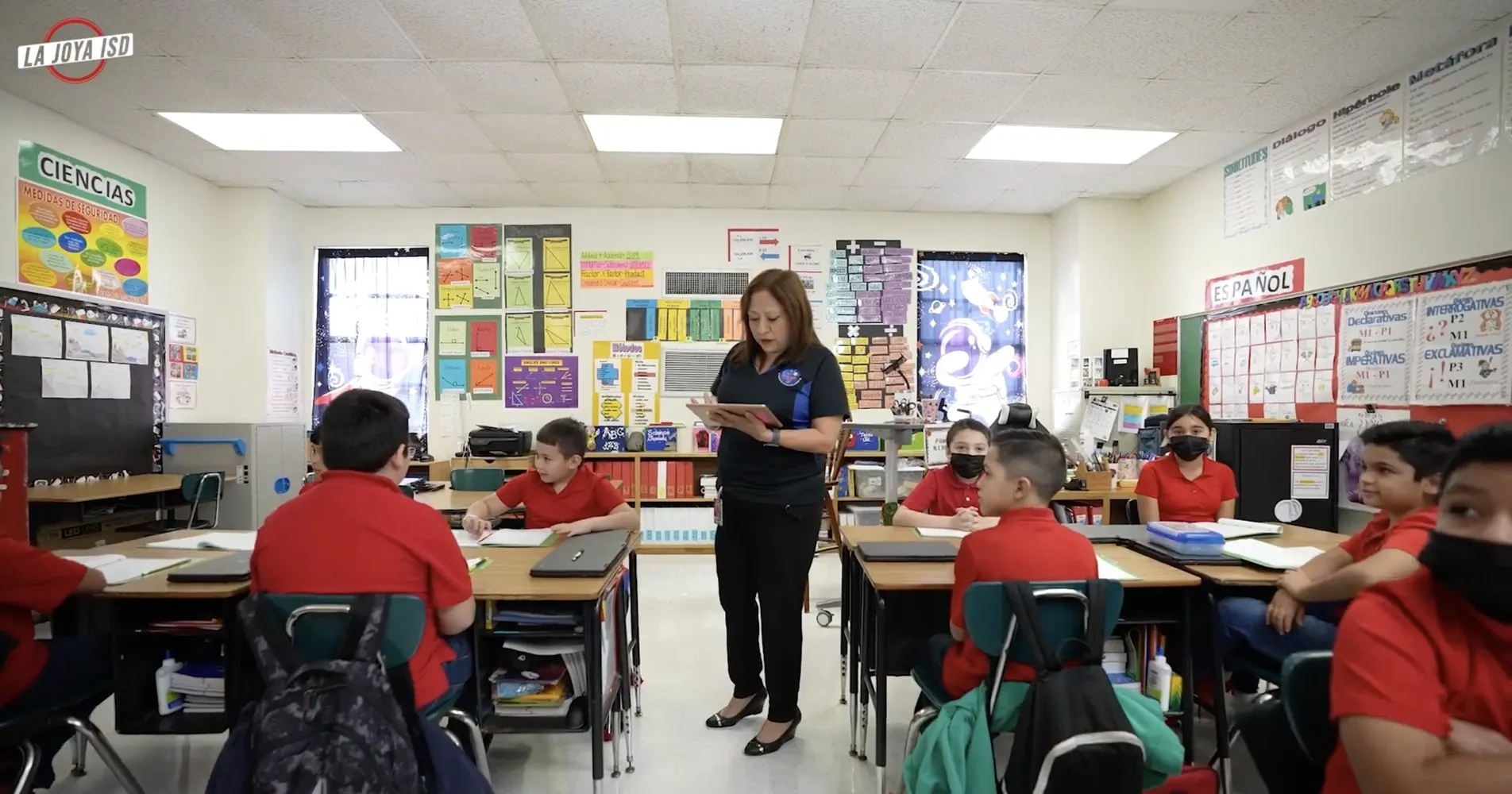
Leadership made daily practice an expectation in every classroom. Each practice is audio guided and takes about 5-10 minutes, so teachers don't plan a lesson or lead the session themselves.
Fourth grade math teacher Rachel Smith describes what students do: breathing techniques, head to toe body scans, and time to practice being comfortably quiet. "It's great to practice just having to sit and do things that they don't get to do every day anymore, in this world of constant stimulation and constant input."
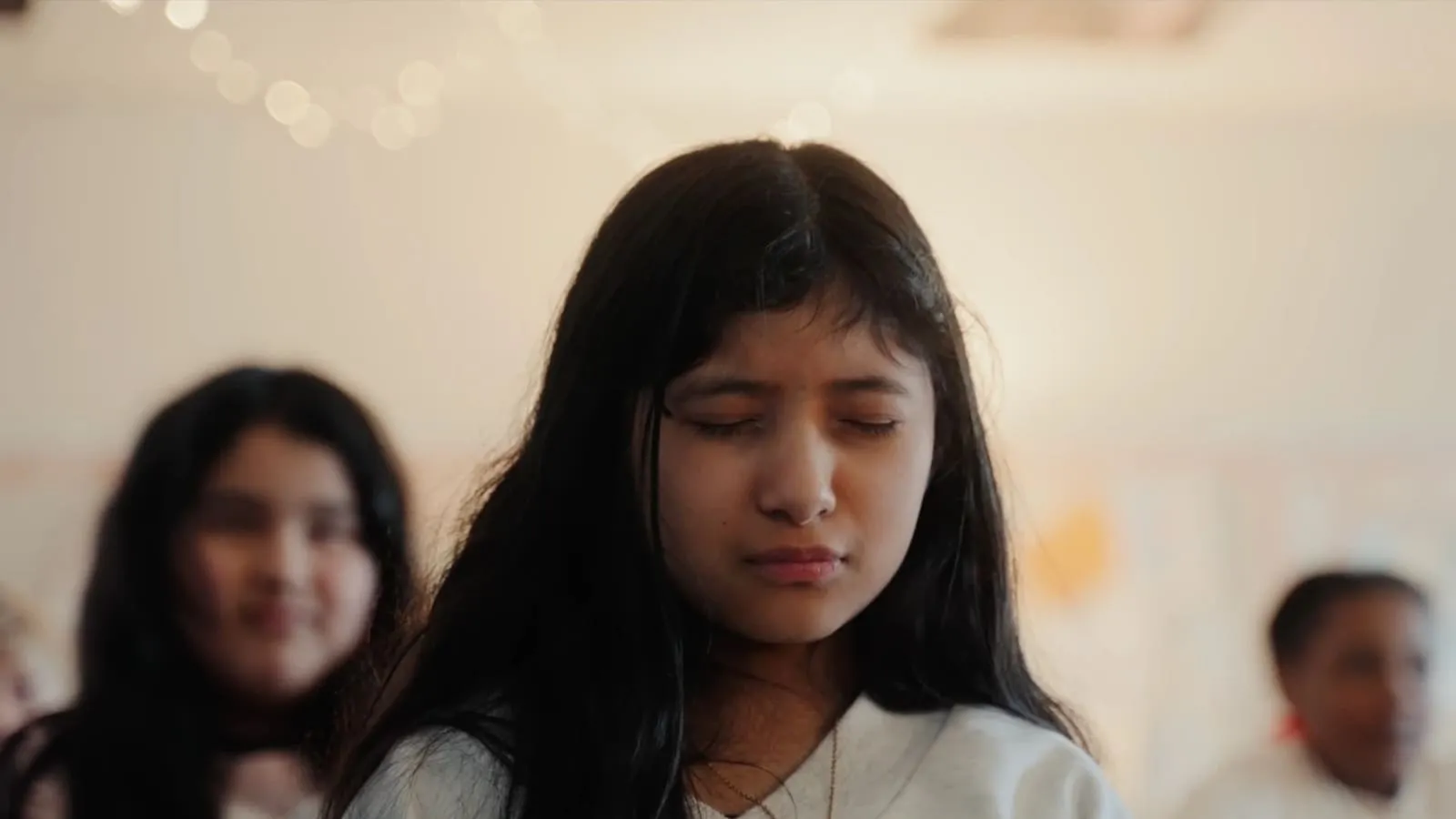
Used when students need it most
In addition to the daily practices, teachers use transitional practices at the points in the day when emotions tend to run high, like before a test, right after PE, or any time the normal routine gets disrupted.
We are using mindfulness before tests, after PE, and just having a moment to breathe and settle into the room and settle back into learning.
It was extremely easy to implement this into our schedule because it only takes 10 minutes.
The Outcome: Half as Many Office Referrals
Fewer students sent to the office
Over the 2025-26 school year, Stephens had 48% fewer office referrals than the year before. Principal Richardson and her team looked at the data from every angle before drawing a conclusion.
The past seven months, we had 50% less office referrals compared to last school year, and the only thing we've changed as far as discipline goals is implementing Inner Explorer.
The 50% figure covers the first seven months of the school year, as reported by Principal Richardson. Full-year school discipline records show a 48% reduction.
Gains in math and English
Stephens students also posted gains on Alabama's state assessment: a 33% gain in math proficiency and a 24% gain in English proficiency. Teachers say the daily practice helps students settle and turn their attention back to the work in front of them.
State Assessment Increases
3rd grade reading scores for state assessment jumped from 86% to 92%.
- Before
- 86%
- After
- 92%
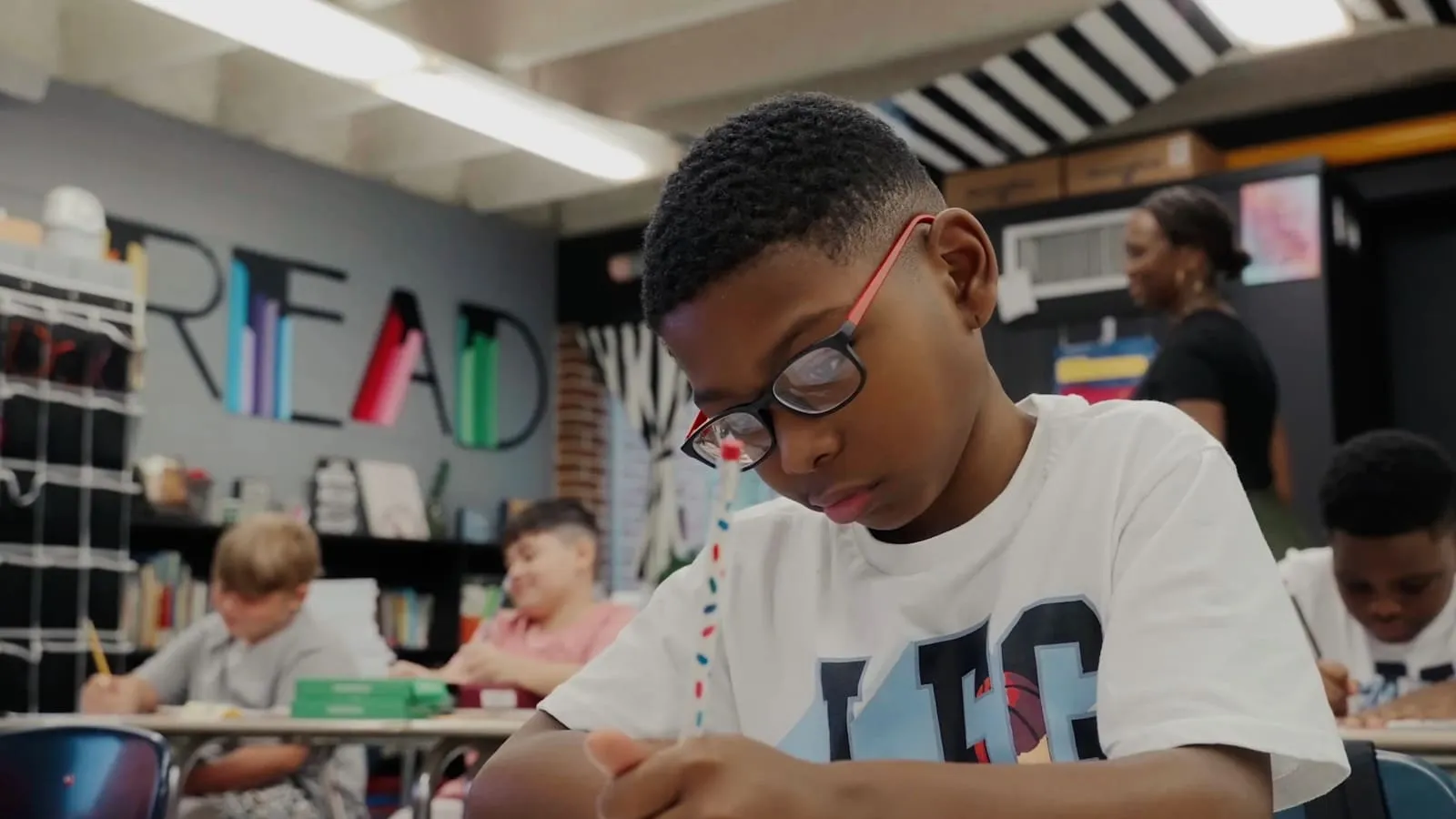
Students who can pause and reset
School counselor Tabetha Blankenship sees the change in how students handle their own emotions.
When they get upset, they don't fly off the handle or lose control. They're better able to pause and work it out within themselves. Their self-awareness has really increased.

Skills that go home with them
Third grade math teacher Cora Blue says students are using what they learn "not only in school but in their day to day lives."
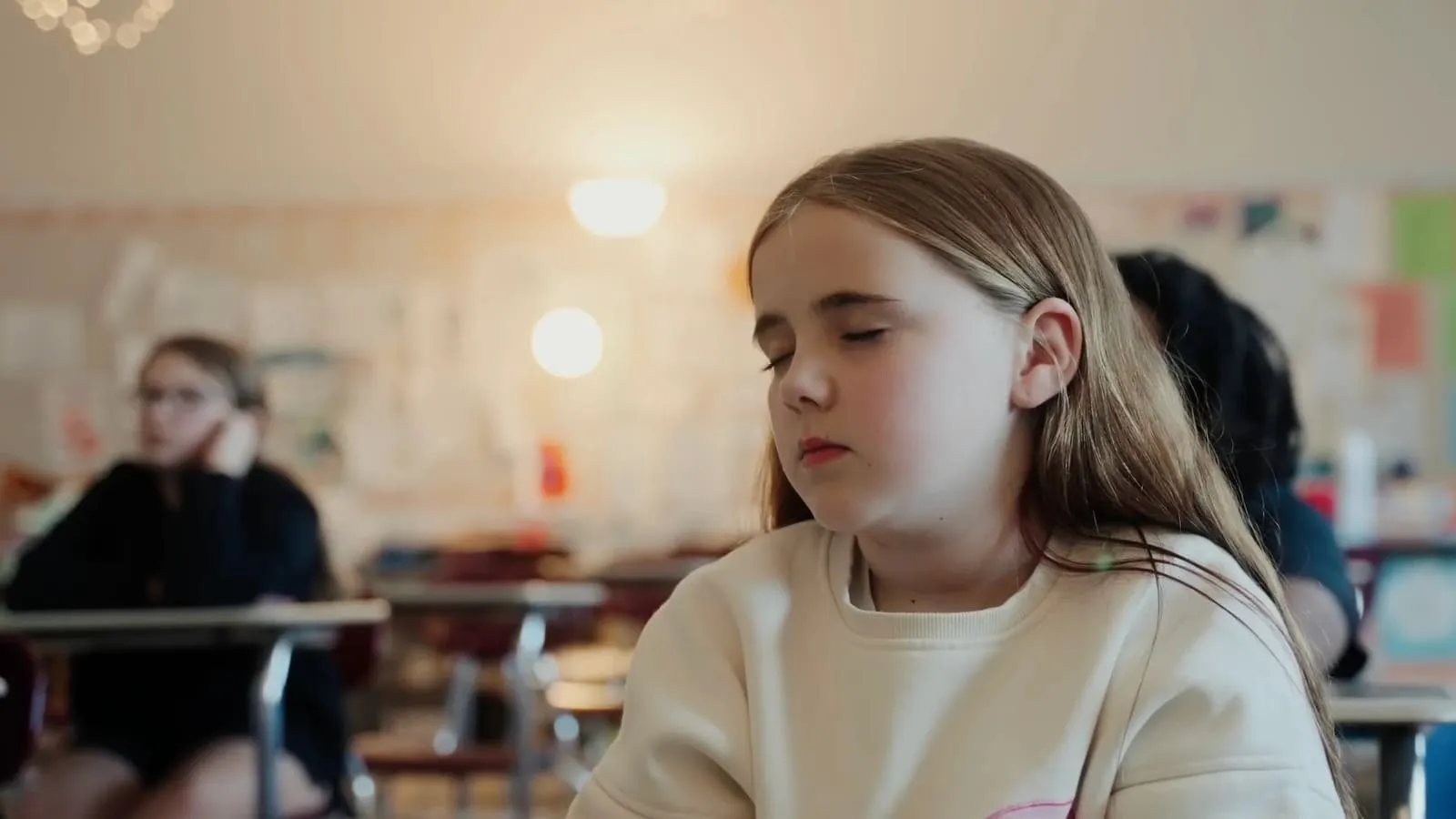
Students say the same thing in their own words. "If I wake up on the wrong side of the bed, it helps me and it calms me down. It helps me get my mind straight and get ready for the day."
One conversation between a local pediatrician and a principal gave Stephens students a few minutes of calm every day. Within one school year, students had tools to reset on their own, and office referrals had dropped by about half.
It has assisted with discipline, it's helped with our academics as well. And so we felt like it was something that we needed to implement to make sure that our students are successful throughout the day.
Frequently Asked Questions
How did Stephens Elementary reduce office referrals?
Stephens added daily mindfulness to every classroom in 2025-26. Office referrals fell 48% over the school year, with no other change to its discipline approach.
How much time does Inner Explorer take each day?
5 to 10 minutes. Every practice is audio guided, so there is nothing for teachers to prepare.
Can a daily mindfulness practice improve test scores?
At Stephens, state assessment proficiency rose 33% in math and 24% in reading in the year students practiced daily. A single school's results are correlational, but a 2016 controlled study found 15% higher GPA among students who practiced daily.
How did Stephens Elementary start using Inner Explorer?
Local pediatrician Dr. Eric Tyler brought it to the school and worked with Principal Lekishia Richardson to launch daily practice in August 2025.
Does Inner Explorer work in Title I schools?
Yes. Stephens is Title I, and 78% of Inner Explorer's partner districts are majority Title I. With no prep required, it fits the school day without adding work for teachers.