
Why Inner Explorer
Learning starts with regulation.
Inner Explorer helps students build the focus, resilience, and readiness that make everything else possible.

Seven reasons schools choose Inner Explorer
90% of schools renew. Here is why.
-

Reason 1 01 / 07
It is evidence-based
Randomized controlled trials, university studies, and district data show improvements across academics, stress, behavior, and attendance. Inner Explorer is built on research, not trends.
-
Reason 2 02 / 07
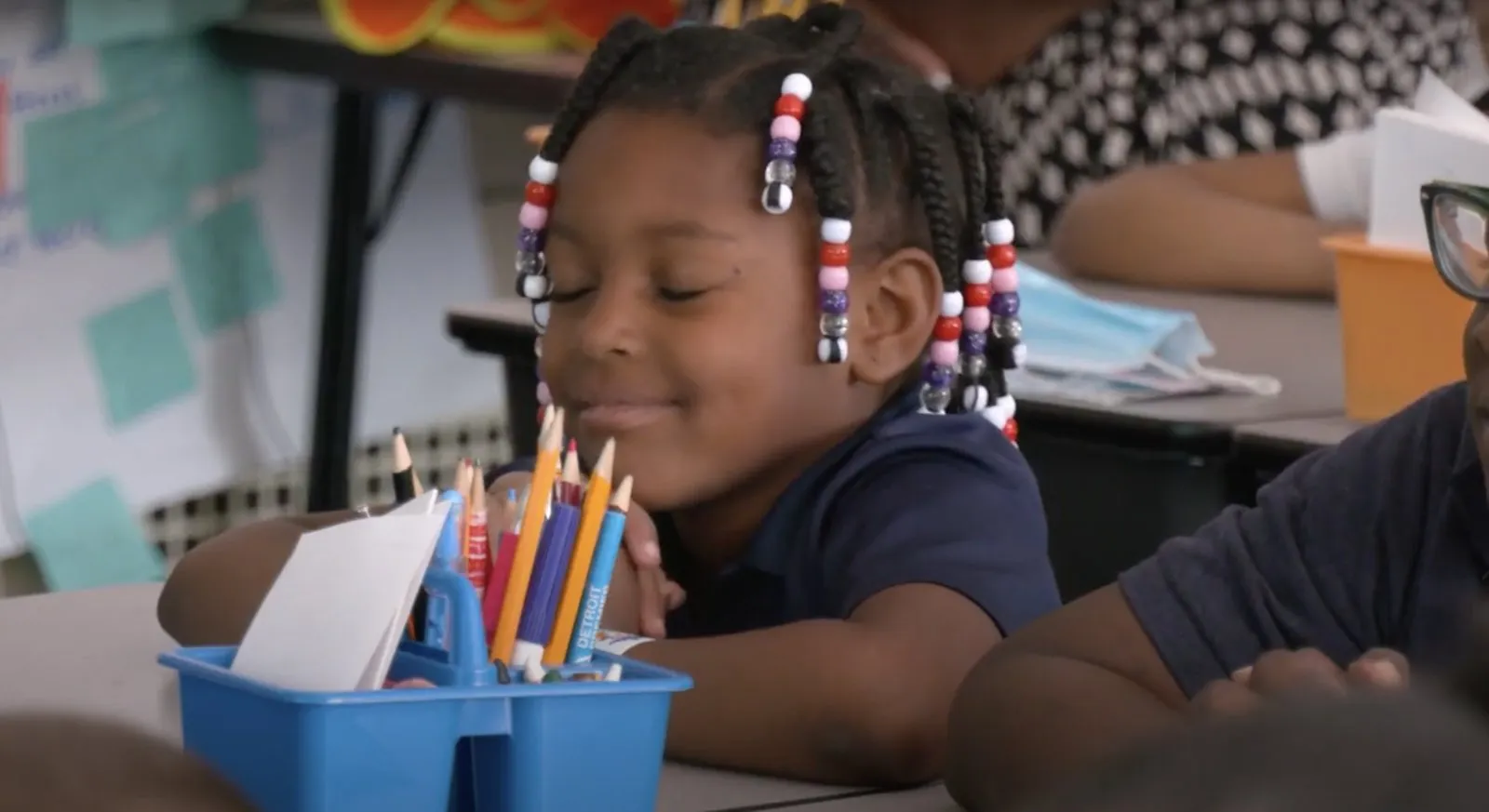
Mindfulness prepares the brain to learn
Before students can access instruction, interventions, or counseling, they need a regulated nervous system. Daily mindfulness gives every student a foundation for learning, self-regulation, and resilience.
-
Reason 3 03 / 07
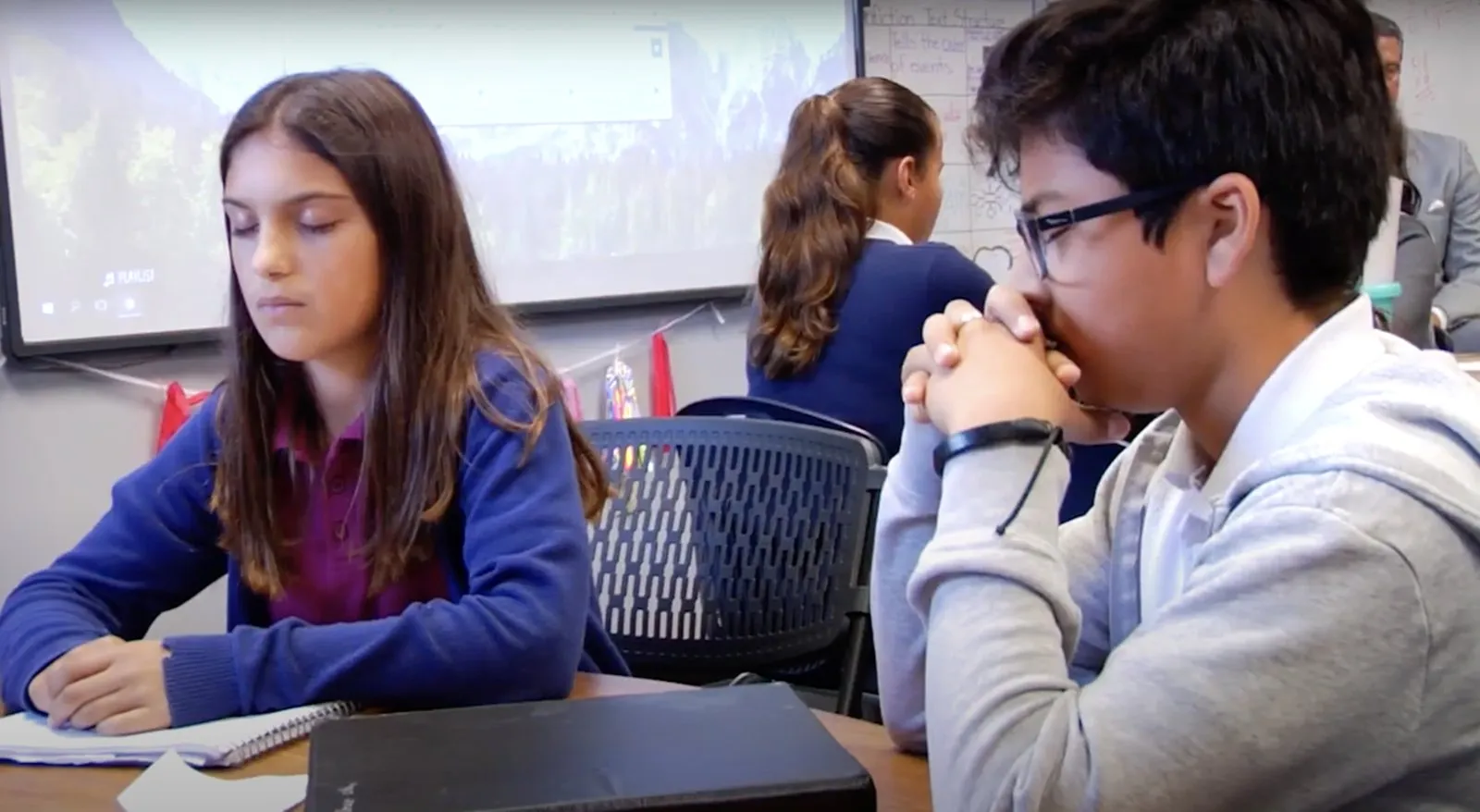
Leaders can see whether it is working
Track adoption, practice, and engagement across classrooms and schools. Pair implementation data with the outcomes your district already measures to understand what is changing over time.
-
Reason 4 04 / 07
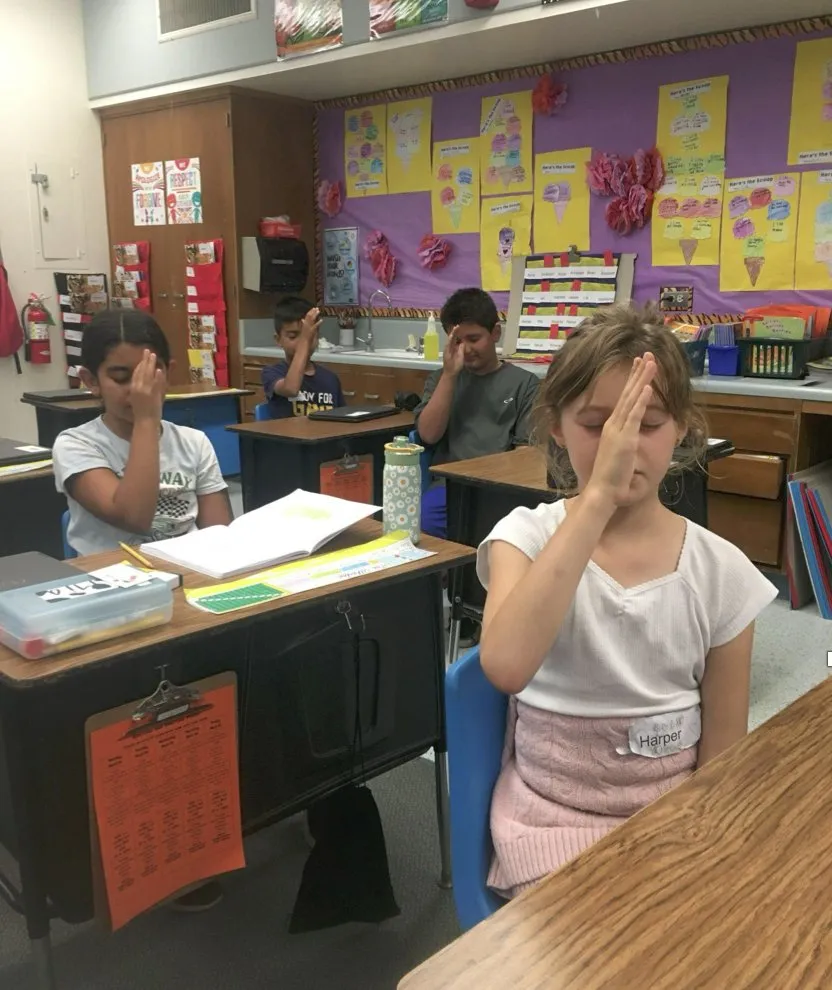
Easy to implement, easy to sustain
- Zero prep required. Log in, press play, and deliver a consistent 5 to 10 minute practice.
- Designed for daily use. Brief, audio-guided practices fit into existing school routines without requiring specialized mindfulness training.
- Screen-free for students. Students listen rather than interact with another screen.
-
Reason 5 05 / 07
Strengthens every tier of MTSS
One shared daily practice supports and strengthens MTSS without adding another fragmented program.
-

Reason 6 06 / 07
Affordable, fundable, and reimbursable
Priced for prevention, with funding paths that fit the budgets schools already have.
-
Reason 7 07 / 07
Educators benefit as much as students
Teachers practice with their class rather than supervising it. Those shared few minutes lower stress for the adult in the room by 43% too, and it is the part principals tell us they did not expect.
2 discipline referrals compared with an average of 25
2
25
discipline referrals
average in the other classrooms
The one class that ran Inner Explorer last year had only two discipline referrals all year! The average in the other classrooms was 25 referrals! We’re putting Inner Explorer in every classroom this year.
The foundation
Daily mindfulness is the foundation for learning
A nervous system running on stress cannot hold attention, store new information, or pause before reacting. Daily practice settles that system first, which is what makes everything taught afterward possible.
- Math
- ELA
- Science
- History
- SEL

Inner Explorer
5 to 10 minutes of daily mindfulness practice that prepares students to learn.
Inner Explorer sits underneath every other lesson structured into the day.
Having daily mindfulness at the core foundation has transformed academic performance, behavior, and well-being across the country.
- higher state math scores
(Stager 2022) - 21%
- fewer suspensions, Fulton County, GA
- 56%
- less teacher stress (Bakosh 2018)
- 43%
Practice, not curriculum
How we are different from a traditional curriculum
| A curriculum | Daily practice |
|---|---|
| Outside-in learning: explains why students should pause and regulate. | Inside-out learning: trains the brain to pause and regulate. |
| Shows up a few times a year. | Shows up every morning, 180 days a year. |
| Adds one more thing to learn and teach. | Makes everything else easier to teach. |
- A curriculum: Outside-in learning: explains why students should pause and regulate.Daily practice: Inside-out learning: trains the brain to pause and regulate.
- A curriculum: Shows up a few times a year.Daily practice: Shows up every morning, 180 days a year.
- A curriculum: Adds one more thing to learn and teach.Daily practice: Makes everything else easier to teach.

Why every day matters
We brush our teeth every day for prevention.
Why should mental well-being be any different? Daily mindfulness works the same way: a few minutes of consistent practice builds regulation before students reach the point where intervention is needed.
Inner Explorer is not one more thing students have to learn. It is what helps prepare them to learn everything else.
Across the system
One shared approach for every tier of MTSS
-
Tier 3
Individualized support
Specialists, counselors, and clinicians can incorporate familiar mindfulness practices into individualized plans, complementing more intensive support rather than replacing it.
-
Tier 2
Targeted support
Counselors can build on those same daily skills through small-group support that deepens the self-regulation students already practice.
-
Tier 1
Universal prevention
Students and staff practice together each day, creating a schoolwide routine for self-regulation, focus, and prevention across every classroom.
The foundation
One daily practice,
under every tier
- 372+ students per counselor on average
- One platform, all three tiers
- Easy to implement: log in, press play
Cost and funding
Affordable, fundable, and built for scale
Under $8
avg per student, per year
about 0.07% of per-student spending
Affordable by design
Prevention costs less than intervention. Inner Explorer delivers universal support at a fraction of the cost of more intensive downstream services.
Expanding reimbursement opportunities
School-based behavioral health reimbursement is evolving, creating new opportunities for districts to fund preventive supports like mindfulness.
Reach out to discuss funding options for your school community
Talk with our team about what daily practice would look like across your schools, and which funding you already have for it.
Before you choose
What to ask before choosing a mindfulness program
The right program should fit your school system, not ask your school system to bend around it.
-
Will teachers actually use it consistently?
If implementation depends on extensive training, prep, or individual champions, adoption may fade over time.
-
Can it fit into the school day without replacing instruction?
Look for something that supports learning readiness without becoming another curriculum block.
-
Is it designed for prevention, not just intervention?
The strongest programs support all students before challenges escalate.
-
Can leaders see whether it is being used?
District and school leaders should be able to track implementation and connect usage to the outcomes they already measure.
-
Will it work across schools, grade levels, and tiers?
A solution should create consistency rather than adding another disconnected program to the system.
-
Can we sustain it financially?
Consider not only the purchase price, but also training, staff time, implementation burden, and long-term funding.
-
Does the evidence match the outcomes we care about?
Look beyond engagement. Ask whether there is credible evidence tied to academics, behavior, attendance, stress, or other district priorities.

Inner Explorer meets all the criteria
From the field
What leaders see after implementation
In our school, we experienced a 50% reduction in student visits to my office, detentions, etc. since implementing the Inner Explorer Program. The more interesting phenomenon is the increase in compassion...
Students are learning to use the mindfulness strategies from Inner Explorer to better manage their emotions and practice self-regulation throughout the day. We appreciate the positive impact the Inner Explorer has made on our students' well-being and campus climate.
Start the conversation
Start with the layer everything else rests on.
Talk with our team about what daily practice would look like across your schools, and which funding you already have for it.